

Injection Moulding is often the fastest way to scale a plastic part once the design is stable, but the real question most South African businesses ask is how long it takes from first idea to repeatable production. If you want the overall service context, start at Fast Flow Plastics.
What does the Injection Moulding timeline look like in South Africa, start to finish?
The Injection Moulding timeline usually moves through five phases: product definition, design refinement, tooling, first samples, and then production ramp. The “real” timeline depends on how clear your requirements are, how complex the part is, and how quickly decisions get made when the first samples reveal changes. In South Africa, the fastest projects are the ones where the part requirements are locked early, the supplier is involved before final design decisions, and the team treats sampling as a planned step, not a surprise delay.
What happens before tooling, and why do prototypes save time later?
Before any tool is cut, you want confidence in function, fit, and basic manufacturability. Prototypes are not just about “does it look right,” they are about reducing the number of unknowns before you spend on tooling. Even a simple prototype phase helps you validate dimensions, assembly, ergonomics, and performance, which prevents the most expensive delays later, namely tool rework. If you want a structured approach to shaping the part before committing to production methods, use Product Design & Development as the reference point.
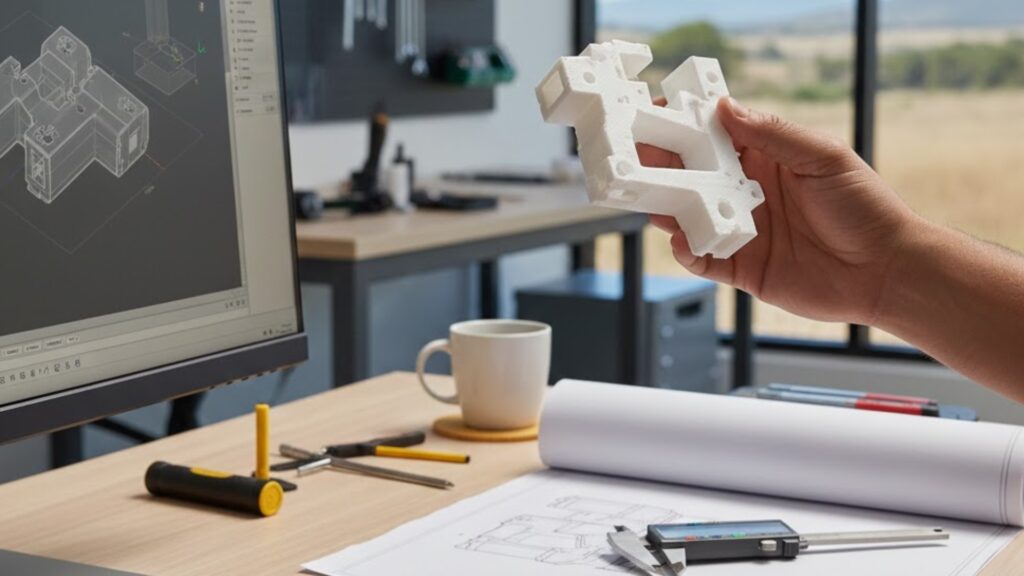
How long does design finalisation and DFM typically take?
Design finalisation is where timelines can either stay tight or blow out. This is the stage where you confirm draft angles, wall thickness, ribs, bosses, snap fits, gating approach, and how the part will eject cleanly without cosmetic damage. DFM takes longer when decisions are vague or when a part is being forced into moulding without adapting the design for the process. In practice, the fastest DFM cycles happen when you agree on what matters most, such as appearance versus strength, tolerances versus cost, and whether you need inserts, textures, or specific resin properties.
What are the main drivers that make projects slow down in SA?
Delays usually come from missing information or late changes. Common causes include unclear tolerances, not specifying material requirements upfront, changing the design after tooling starts, late approval cycles, and underestimating downstream needs like packaging and assembly. Another hidden delay is sourcing: if a specific polymer or additive has longer lead times, it can pause sampling or production. The fix is to lock requirements early, align internal stakeholders on what “good” looks like, and make decisions quickly when sampling reveals changes.
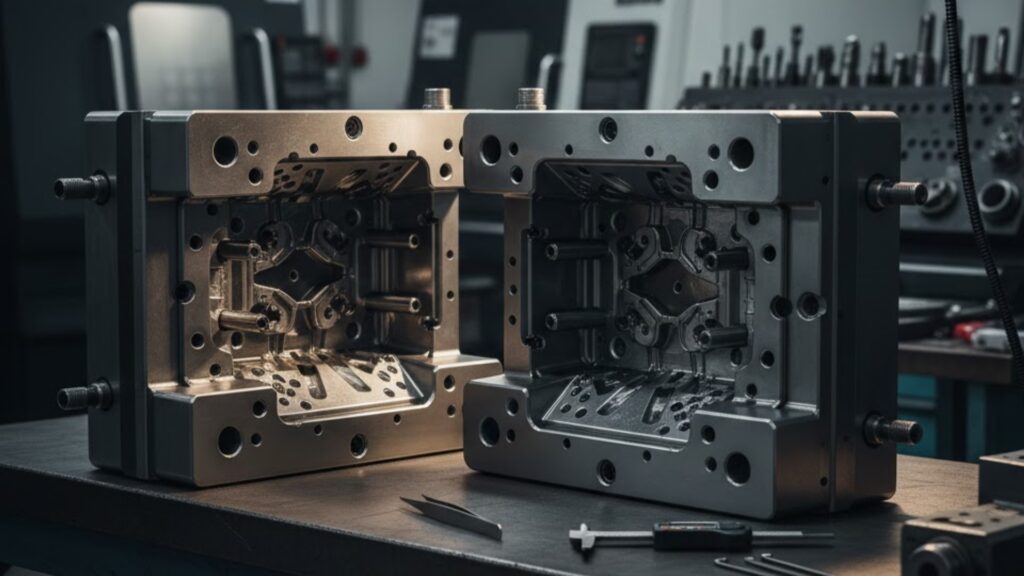
How long does mould and tool making take, and what influences lead time?
Mould lead time is driven by complexity, number of cavities, expected cycle time, surface finish, and whether the tool needs lifters, slides, or complex cooling. A simple tool can move faster, while a high-output production tool designed for durability and repeatability will typically take longer because more engineering and machining time goes into it. If you want the service context for how tools are developed and managed, use Mould Tool Making as the baseline reference.
What is T0, T1, and sampling, and why does it matter for timelines?
Sampling is the controlled step where the first moulded parts are produced, inspected, and tested against the spec. Many teams underestimate this phase, but it is where you learn whether the design, material, gate placement, cooling, and ejection all produce consistent parts. Early samples might show cosmetic issues like sink, flow lines, or gloss differences, or functional issues like warpage, fit problems, or weak snap features. The timeline stays healthy when sampling is treated as a planned iteration step with clear acceptance criteria and quick decision-making.
How do you plan for tooling changes without blowing budget and deadlines?
The smartest way to protect time and money is to assume at least one refinement cycle, then plan the project around it. Build in a decision window after the first sample run, define what counts as a must-fix versus a nice-to-have, and align who signs off changes before sampling begins. Tool changes are most expensive when they come from late requirement changes, not from true process refinement, so the goal is to eliminate surprises by making requirements explicit early.
When does mould maintenance come into play, and why does it affect production reliability?
Once production starts, tool condition directly influences consistency, scrap rate, and downtime. Wear points, vents, and cooling channels need monitoring, and production tools benefit from a maintenance plan rather than reactive fixes. In South Africa, where production schedules can be tight, proactive maintenance prevents costly interruptions and helps keep part quality stable across long runs. For the relevant capability and planning approach, reference Tool or Mould Repair and Mould Maintenance.
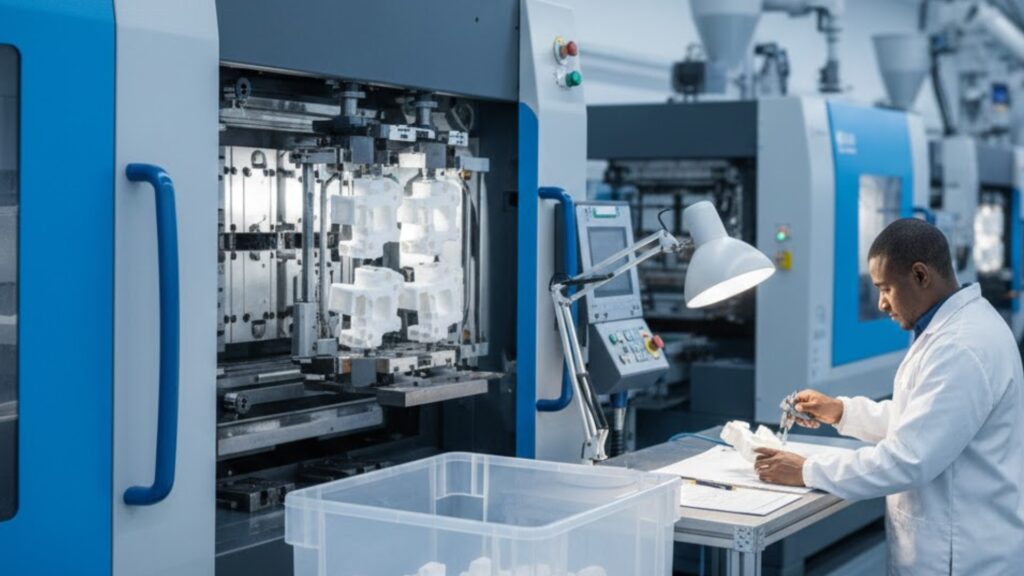
How do you move from first production run to stable repeat production?
Stability comes from process control: locking settings, verifying cycle times, confirming quality checks, and maintaining the tool. The goal is to get repeatability so every batch matches the approved sample. This is also where packaging, handling, and storage matter because a perfect part can still get damaged or warped after moulding if it is stacked hot or packed incorrectly. A clean handover from sampling approval to controlled production is what turns a “first successful run” into a reliable supply chain.
What should you include in your brief to get an accurate timeline from a South African supplier?
To get a timeline that you can actually plan around, include part drawings or CAD, target quantities, intended resin or performance requirements, tolerance expectations, cosmetic requirements, and your deadline. Mention any inserts, overmoulding, assembly needs, or packaging requirements, because those affect both tooling and production planning. If you want a fast, accurate response, send your details through Contact Us so the team can assess feasibility and quote with fewer assumptions.