

Vacuum Forming is often the smartest alternative when South African businesses need durable plastic parts at lower tooling cost and faster turnaround than Injection Moulding, especially for larger shapes and medium volumes. For the service overview, start at Vac Forming.
What is vacuum forming, and why do South African businesses choose it?
Vacuum forming is a manufacturing process where a heated plastic sheet is pulled over a mould using vacuum, creating a shaped part that can then be trimmed to final size. South African businesses choose it because it can produce strong, consistent parts with lower tooling cost compared to injection moulding, particularly when the part is larger, the design is simpler, or the volumes do not justify expensive injection tooling. It is also attractive when speed matters, because tooling and early sampling can be faster depending on complexity.
Vacuum Forming: when is it a smarter choice than Injection Moulding?
Vacuum Forming is typically smarter when the part is relatively large, has broad surfaces, and does not require extremely fine detail, tight tolerances everywhere, or complex undercuts. It is also a strong option when you want to validate a product in the market before committing to high-cost injection tooling, or when you need multiple size variants without paying for multiple expensive injection mould tools. For many South African applications like covers, trays, liners, housings, and protective panels, vacuum forming can hit the sweet spot of cost, speed, and durability.

What kinds of parts are best suited to vacuum forming?
Vacuum forming shines on parts where the shape is created by the sheet stretching over a mould, which means smooth contours and wide surfaces are ideal. Typical applications include protective covers, packaging-style trays, appliance and equipment housings, wall panels, liners, and display components. It is less suitable when you need deep ribs, thick bosses, intricate snap features, or heavy internal geometry that is easier to produce with injection moulding. The best way to judge fit is to look at the part’s size, depth, required detail, and what surfaces are cosmetic versus hidden.
How do tooling costs and lead times compare to injection moulding in South Africa?
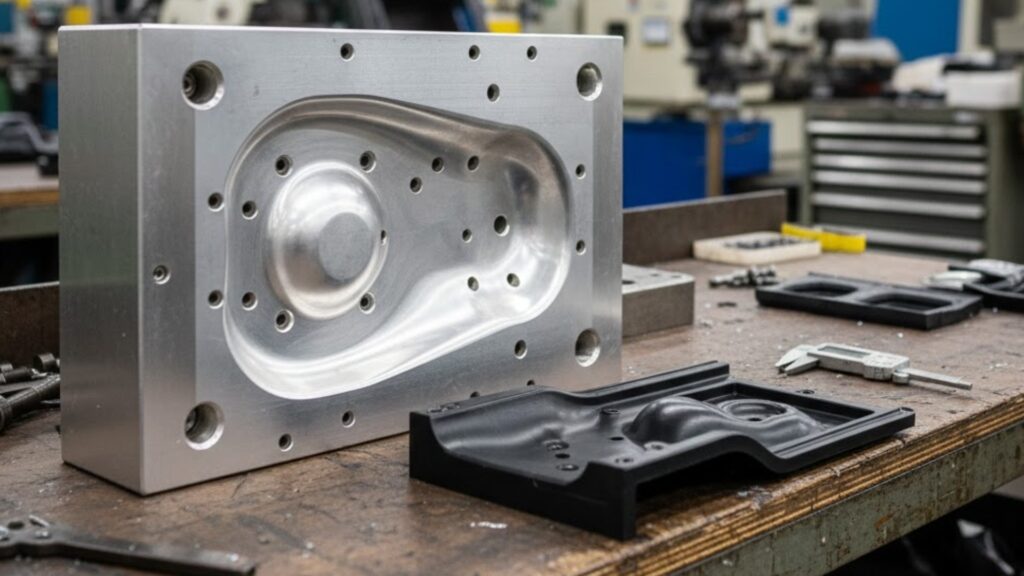
Tooling for vacuum forming is usually simpler and can often be produced faster than injection mould tooling because it does not need the same level of hardened steel construction, complex cooling systems, or high-pressure injection considerations. That typically means lower upfront cost and shorter lead times, which is valuable for South African businesses that need to protect cash flow and get to market quickly. Injection moulding becomes the smarter long-term choice when volumes are high enough that unit cost savings justify the bigger tooling investment.
What materials work well for vacuum forming, and how do you choose?
Material choice depends on impact needs, heat exposure, UV exposure, chemical contact, and the finish you want. Many vacuum formed products use durable sheet plastics designed for forming that can handle handling and daily wear. The key is choosing a sheet that forms consistently without thinning too much in critical areas and that matches the environment the part will live in. In South Africa, heat cycling and UV can be major factors for outdoor or sun-exposed products, so durability requirements should be specified upfront rather than treated as an afterthought.
What are the common defects like thinning, webbing, or poor detail, and how do you prevent them?
The most common issues are thinning in deep draws, webbing where material folds in corners, uneven texture, and soft detail when the sheet does not contact the mould cleanly. Prevention is mostly about design and process: avoid extreme draw ratios without planning, use proper radii, ensure venting and vacuum distribution are correct, and use consistent heating so the sheet stretches predictably. Good mould design and correct trimming strategy also matter because a part can form well but still look poor if edges are cut inconsistently or the trim line is not planned for strength and appearance.
How does trimming and finishing affect the final cost and quality?
In vacuum forming, forming is only half the job, trimming is where the part becomes usable. A clean trim line affects fit, safety, appearance, and assembly speed. If trimming is slow, manual, or inconsistent, costs rise quickly and quality becomes variable. Planning trim lines, hole locations, and assembly points early helps make trimming repeatable and efficient. If your part needs precise cut-outs or consistent finishing across batches, pairing forming with accurate cutting becomes a major quality upgrade.
How do you decide between vacuum forming, extrusion, and injection moulding?
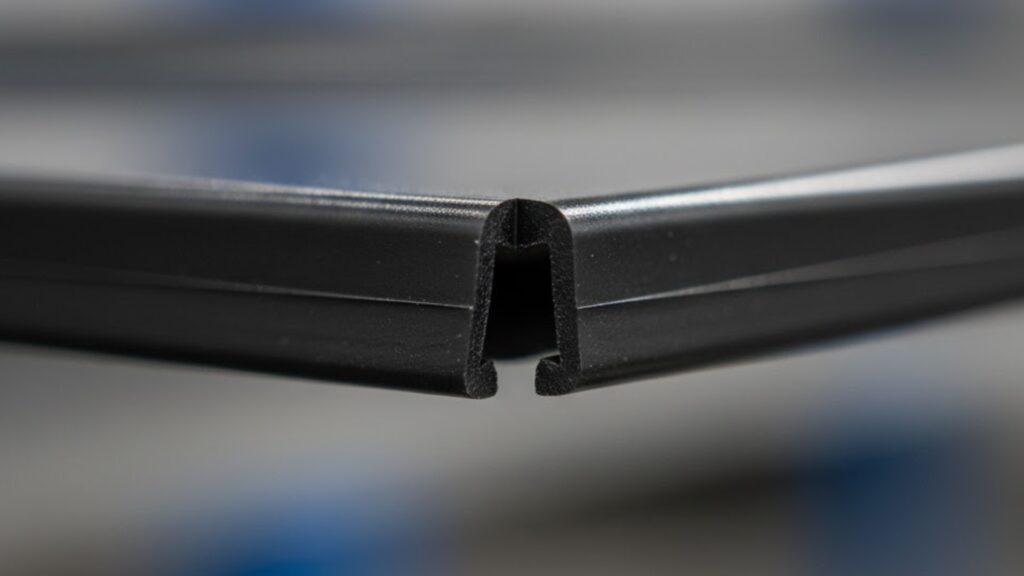
Choose based on geometry and volume. Vacuum forming is excellent for larger shaped shells and trays made from sheet. Extrusion is best for continuous profiles and long shapes where the cross-section stays the same. Injection moulding is best for detailed parts with complex geometry, high repeatability, and high volumes. Fast Flow also provides extrusion services, so if your product is profile-based rather than a formed shell, the relevant direction is Profile Extrusions.
How do you validate a vacuum formed product before scaling production?
Validation should focus on fit, strength, cosmetic finish, and performance in the real environment. Test how the part behaves under load, impact, heat, and handling, and confirm assembly fit if it interfaces with other components. This is also where you confirm the manufacturing assumptions: does the design form cleanly without defects, can it be trimmed efficiently, and can you achieve consistent thickness where it matters. Early validation protects you from scaling a part that only works “sometimes” or only works when a specific operator is on shift.
What should you include in your brief to get accurate pricing and timelines in South Africa?
Include drawings or CAD, the purpose of the part, required size and depth, cosmetic requirements, expected volume, and the environment it will operate in, especially heat and UV exposure. Specify any critical fit areas, assembly features, or trimming requirements, because those affect both tooling and production time. If you want to scope the best manufacturing method and avoid guesswork, send the details through Contact Us. If you want the technical background on the process category, here is one Wikipedia reference: Thermoforming.