
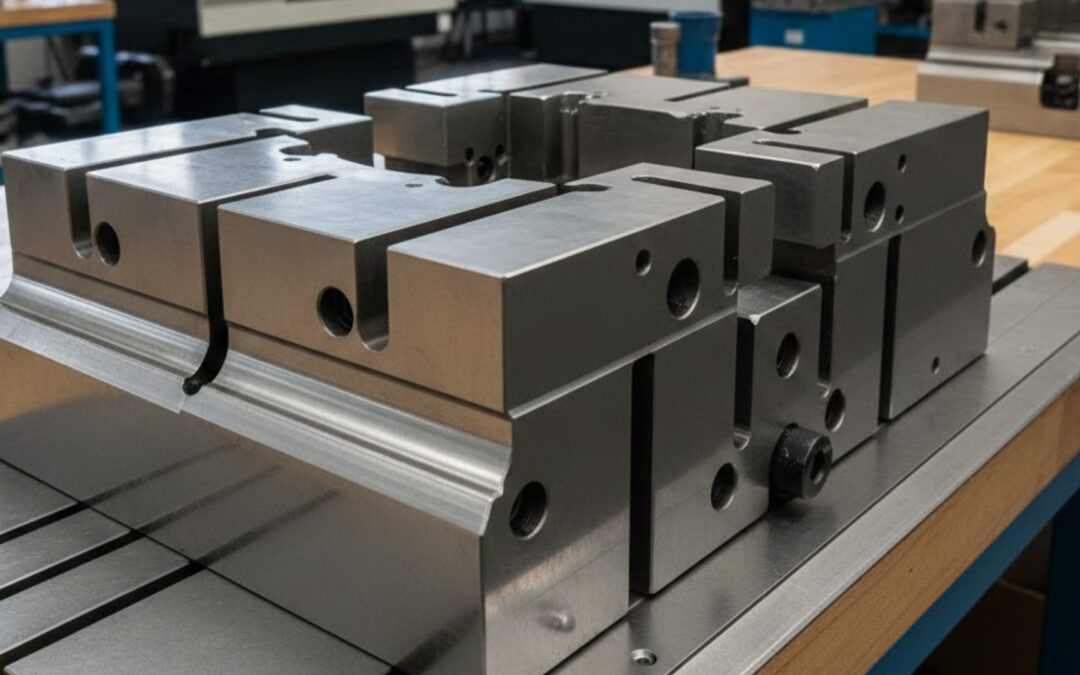
plastic mould manufacturer selection is one of the highest-impact decisions you will make because the tool quality, lead time, and support you choose will decide your part quality and unit cost in South Africa for years. If you want the full company overview first, start at Fast Flow Plastics.
plastic mould manufacturer: what should you confirm before you even request a quote?
Before pricing, get clear on what success looks like for the part and the program. Define your target volumes, cosmetic expectations, critical dimensions, operating environment (heat, UV, chemicals), and what “failure” looks like in the field. Most bad outcomes happen when a supplier is forced to guess, so your goal is to remove guesswork early. If your product is still evolving, align your design intent with manufacturability first because a tool can only be as good as the decisions baked into the part design.
How do you tell whether your part is ready for tooling or needs more development?
If you are still changing geometry, materials, assembly interfaces, or performance requirements, the part is not tooling-ready and you will pay for rework later. A good rule is: if you cannot lock the critical dimensions and material spec, you are not ready to cut steel. The fastest path is to stabilise the design and confirm the manufacturing approach before tooling starts. If you need structured help translating an idea into a manufacturable part, reference Product Design & Development to tighten the brief and reduce late changes.
What questions reveal tool quality and capability, without getting technical for the sake of it?
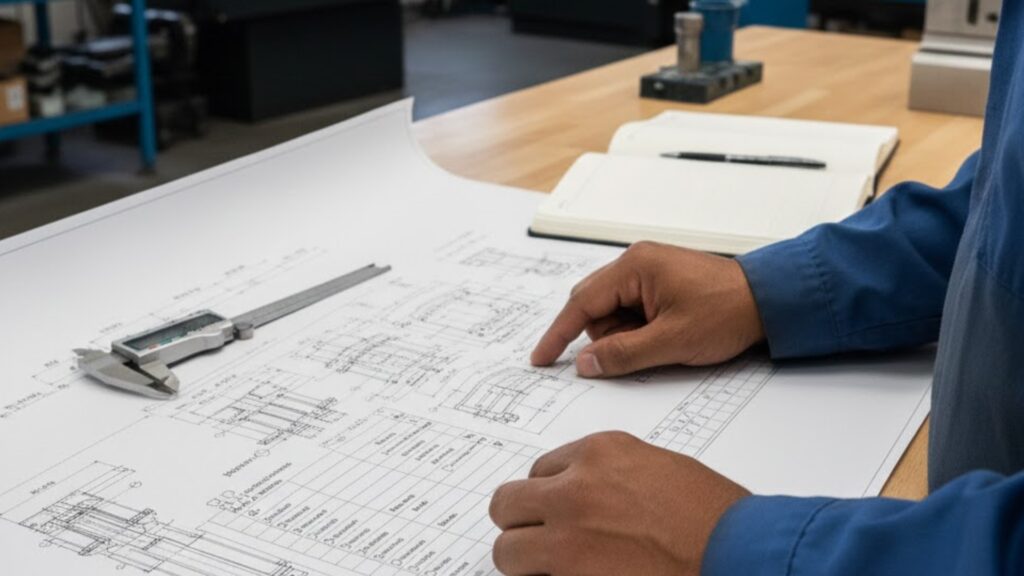
You do not need to be a tooling expert, you just need to ask questions that force clarity. Ask what tool life the supplier is designing for, what steel or tool material approach they recommend for your volumes, how cooling is handled to control warpage and cycle time, and what the sampling process looks like. Ask how they prevent common issues like flash, sink, warp, short shots, and cosmetic defects. The answers should be practical and specific to your part, not generic promises.
How do you evaluate lead times and avoid “timeline optimism” in South Africa?
Lead times should include design finalisation, tooling, sampling, refinements, and production ramp, not only “tool build time.” A reliable supplier will separate those phases and give you dependencies, such as how long approvals take and what information they still need. Timeline optimism usually comes from missing inputs, late sign-offs, and surprise design changes, so ask what would cause delays and what you can do to prevent them. If you are comparing suppliers, compare timelines on the same assumptions and the same scope.
What should be included in the quote so you can compare suppliers fairly?
A quote should clearly state the scope: number of cavities, material assumptions, cosmetic finish expectations, sampling plan, any fixtures required, and what is included if adjustments are needed after first samples. If you cannot see what is included, you cannot compare value. Use a simple checklist like this to keep quotes apples-to-apples:
- Tool scope (cavities, inserts, slides/lifters if needed)
- Material assumptions and recommended resins
- Sampling stages and what “approved” means
- Expected cycle time and output targets (if applicable)
- Tool ownership, storage, and change control
- Warranty terms and what maintenance is included vs excluded
For the tooling capability reference point, use Mould Tool Making when aligning expectations on build quality and process.

How do you verify quality control and sampling so problems show up early?
Sampling should be treated as proof, not a formality. Ask what measurements are taken, how they record results, what happens when a dimension is out, and how they confirm repeatability across multiple shots. If cosmetic quality matters, ask how they inspect surface finish, flow lines, gate marks, and consistency. The goal is to catch issues before production, because the most expensive problem is discovering quality drift after you have shipped parts.
What does good maintenance support look like after the tool is running?
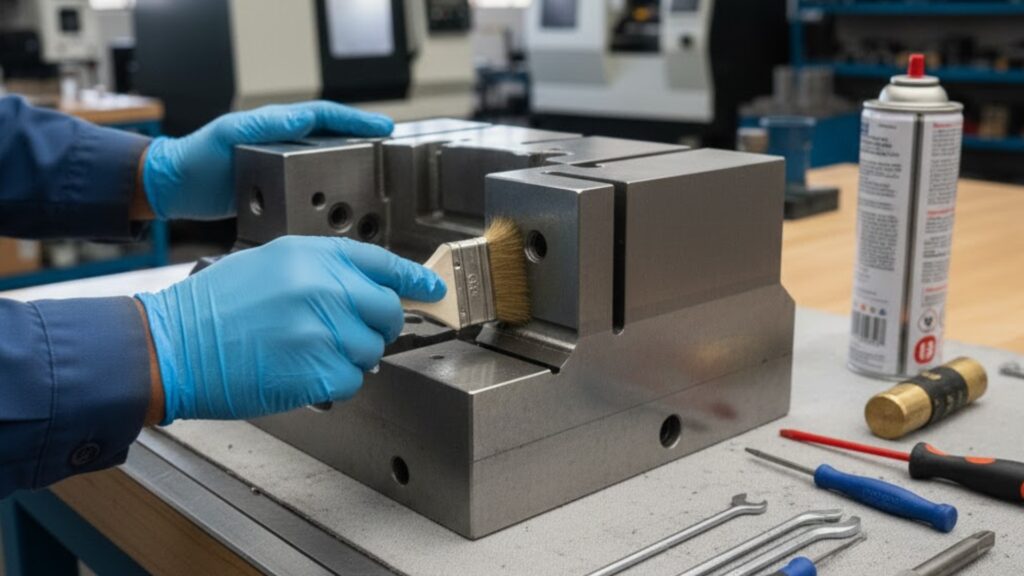
Even a great tool needs care. Good support means the supplier has a plan for cleaning, inspection, wear points, vents, and cooling performance so quality stays stable over long runs. Ask how they handle preventative maintenance, what signs trigger service, and how downtime is managed. If you want the maintenance capability reference, use Tool or Mould Repair and Mould Maintenance as the baseline for what ongoing support should cover.
How do you protect yourself on ownership, IP, and change control?
Be explicit about who owns the tool, where it is stored, who can modify it, and what happens if you change suppliers later. Agree on a change-control process so no “small tweaks” happen without written approval and clear impact on timeline and cost. For IP, only share what is necessary to quote and build, and ensure your drawings and files are handled professionally. This is where serious suppliers feel different, because they are comfortable documenting responsibilities instead of avoiding them.
How do you decide between local and imported tooling for South African production?
Local tooling can be easier to manage for changes, sampling, and support, especially when you need fast iterations and ongoing maintenance. Imported tooling can make sense in certain cost scenarios, but you must weigh communication delays, shipping, rework complexity, and how quickly problems can be resolved once the tool is on the ground. The best decision is the one that protects your total cost over time, not just the first invoice.
What should you send to get an accurate recommendation and a reliable quote?
Send drawings or CAD, target volumes, resin requirements, tolerance needs, cosmetic expectations, and the environment the part will operate in. Include what the part mates with, any assembly constraints, and what you consider a defect. Then ask the supplier to recommend the safest path to repeatable production. If you want the technical background behind the process most mould tools serve, here is one Wikipedia reference: Injection moulding. When you are ready to scope your project properly, use Contact Us to send the full brief and get a timeline you can plan around.