
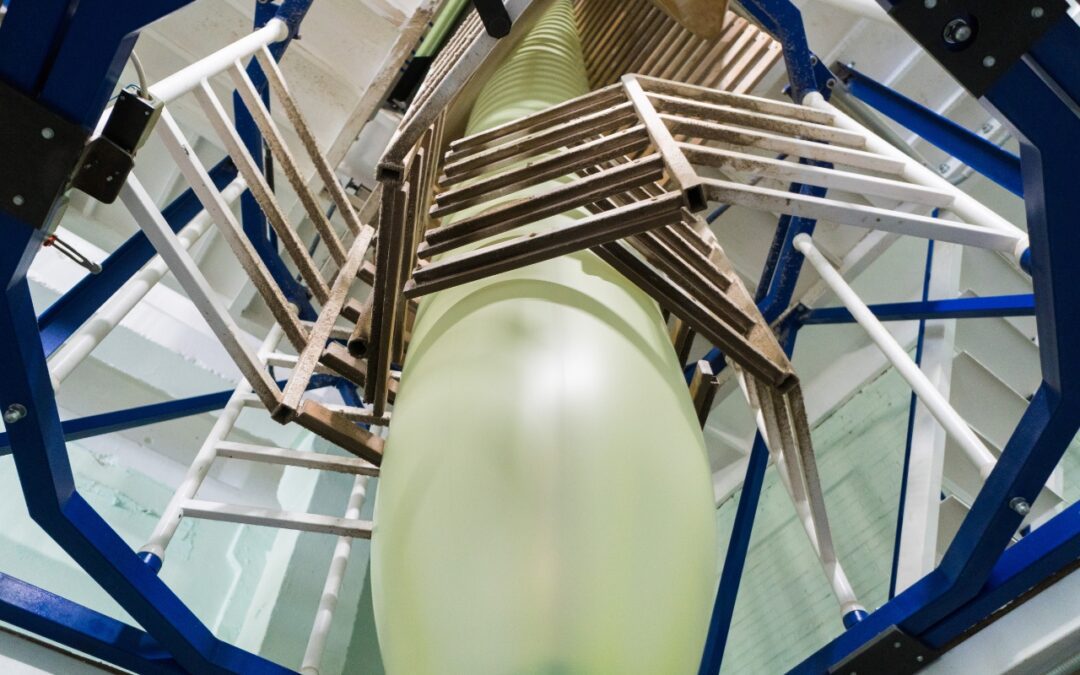
Plastic profile is a term used to describe continuous shapes or cross-sections of plastic that are extruded or formed into a specific design, often to serve as components or structural elements in larger assemblies. Understanding plastic profiles involves exploring how they are manufactured, their common uses, advantages, and how customization plays a role in modern manufacturing.
What Exactly Is a Plastic Profile?
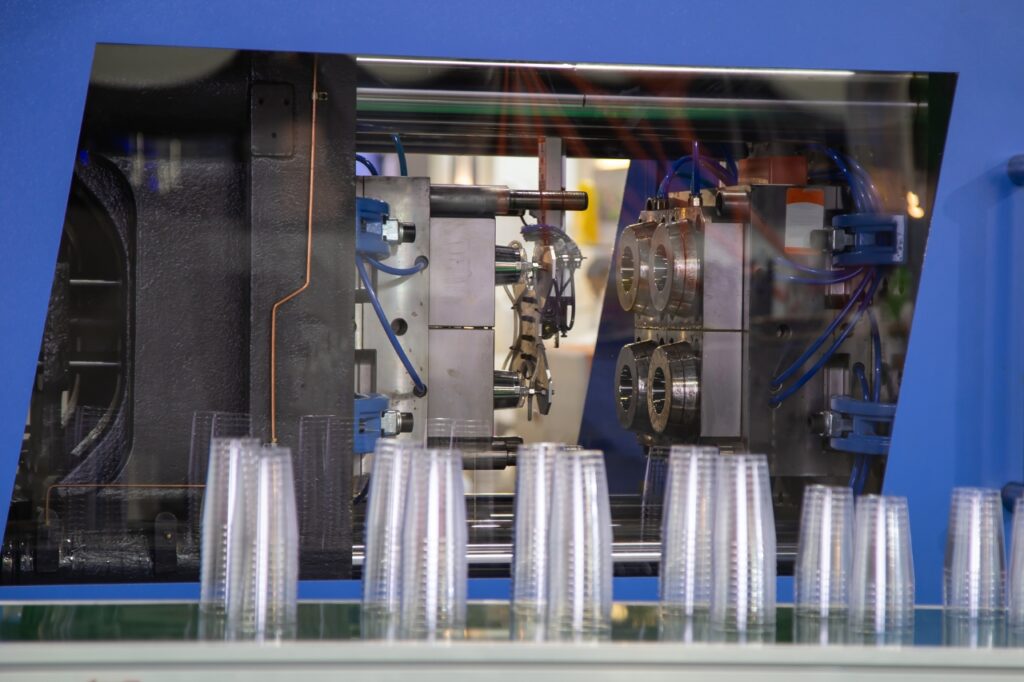
A plastic profile (also called an extrusion profile) is produced by pushing molten plastic material through a die that shapes it into a continuous cross-sectional form. These profiles can be straight, curved, hollow, solid, or even multi-layered depending on design needs. They differ from rigid plastic parts made via injection moulding because the shape is consistent along the entire length, not a discrete 3D shape.
Different types include single-profile extrusions, co-extrusion, and tri-extrusion, depending on how many layers or functional zones are needed.
How Are Plastic Profiles Manufactured?
1. Material Selection & Preparation
Before extrusion, the right thermoplastic (e.g. PVC, ABS, polyethylene, polycarbonate) is chosen. Material properties like UV resistance, rigidity, flexibility, or color are factored in.
2. Heating & Melting
The plastic pellets are heated in an extruder until they melt and reach a viscosity ready for shaping.
3. Die Design & Extrusion
The molten plastic is forced through a custom die that defines the cross-sectional shape of the plastic profile.
4. Cooling & Calibration
Once extruded, the profile passes through cooling tanks or water baths and calibration tools to maintain dimensional accuracy.
5. Cutting, Finishing & Quality Control
Profiles are cut to required lengths and finished (e.g. trimming, drilling, surface treatment). Each piece is measured for tolerances to ensure consistency.
Industrial manufacturers often combine plastic profiling with other services like mould tool making or injection moulding to suit more complex designs. See more about these services here: Tool or Mould Repair & Maintenance.

Common Applications & Uses of Plastic Profiles
Plastic profiles are widespread in many industries because of their flexibility, durability, and ability to tailor shapes. Key applications include:
- Architectural & Building Materials: Window frames, door trims, wall paneling, curtain tracks.
- Automotive Components: Seals, trim pieces, channels, and structural supports.
- Electrical & Electronics: Cable channels, conduits, protective sheathing.
- Retail & Displays: Edging, signage holders, cornices.
- Furniture & Household Products: Edge banding, profile edging, trim pieces.
In cases where profiles need to interface with injection moulded parts or require over-moulding (adding a second plastic layer over a base piece), a manufacturer might integrate services like over-moulding or custom injection moulding. Learn more about over-moulding here: Over-Moulding.
Advantages & Benefits of Using Plastic Profiles
1. Cost Efficiency in Long Runs
Plastic profiles are ideal for high-volume production, since the tooling cost is spread out over many feet/meters of extruded product.
2. Long Continuous Lengths
You can produce long, seamless lengths of the specified cross-section without joints or seams.
3. Design Flexibility
Profiles can include complex internal channels, flexible zones, or multi-layer structures using co-extrusion or tri-extrusion methods. (Explore more under Co-Extrusion or Tri-Extrusion)
4. Consistent Cross-Sectional Precision
Extrusion ensures each segment of the profile matches the same dimensions, perfect for applications where consistency matters (like sealing tracks or guides).
5. Material Versatility & Customization
You can choose plastics with particular chemical, mechanical, or aesthetic qualities. Profiles can be colored, UV‑stabilized, reinforced with fibers, or have surface textures.
How to Order a Custom Plastic Profile
1. Define Your Requirements
Specify the cross-sectional shape (sketch or CAD), material properties (hardness, flexibility, UV stability), length, and tolerances.
2. Die Design
A custom die is made to your cross-section. This is often the major tooling cost.
3. Prototype & Testing
Before full production, prototypes are extruded and tested for fit, strength, and finish.
4. Full Production & Quality Control
Once prototypes are approved, the full run proceeds under strict QC. Depending on your needs, you might combine this with injection-moulded end caps or accessory parts. Learn more about combining services via Injection Moulding or Custom Injection Moulding.
5. Post-Processing & Finishing
Some profiles may require further machining, drilling, or bonding to other materials.
When to Use Injection Moulding vs Plastic Profiles
Although plastic profiles are excellent for long, continuous shapes, they aren’t ideal if the component has complex three-dimensional geometry, undercuts, or requires sharp transitions. In those cases, standard injection moulding services are better suited. More on that here: Standard Injection Moulding Service.
Challenges & Considerations
- Tooling Costs: Die design and manufacturing can be expensive initially.
- Tight Tolerances: Very tight tolerances require advanced calibration and tooling.
- Material Constraints: Some plastics may shrink too much or not suit extrusion.
- Color Matching & Finish: Achieving consistent color and surface texture demands close control.
- Production Setup Time: Because each profile needs a custom die and setup, short runs may not be cost-effective.